Elise Trouw Becomes Elon Lust

Elyse Trouw : Credit - FGM
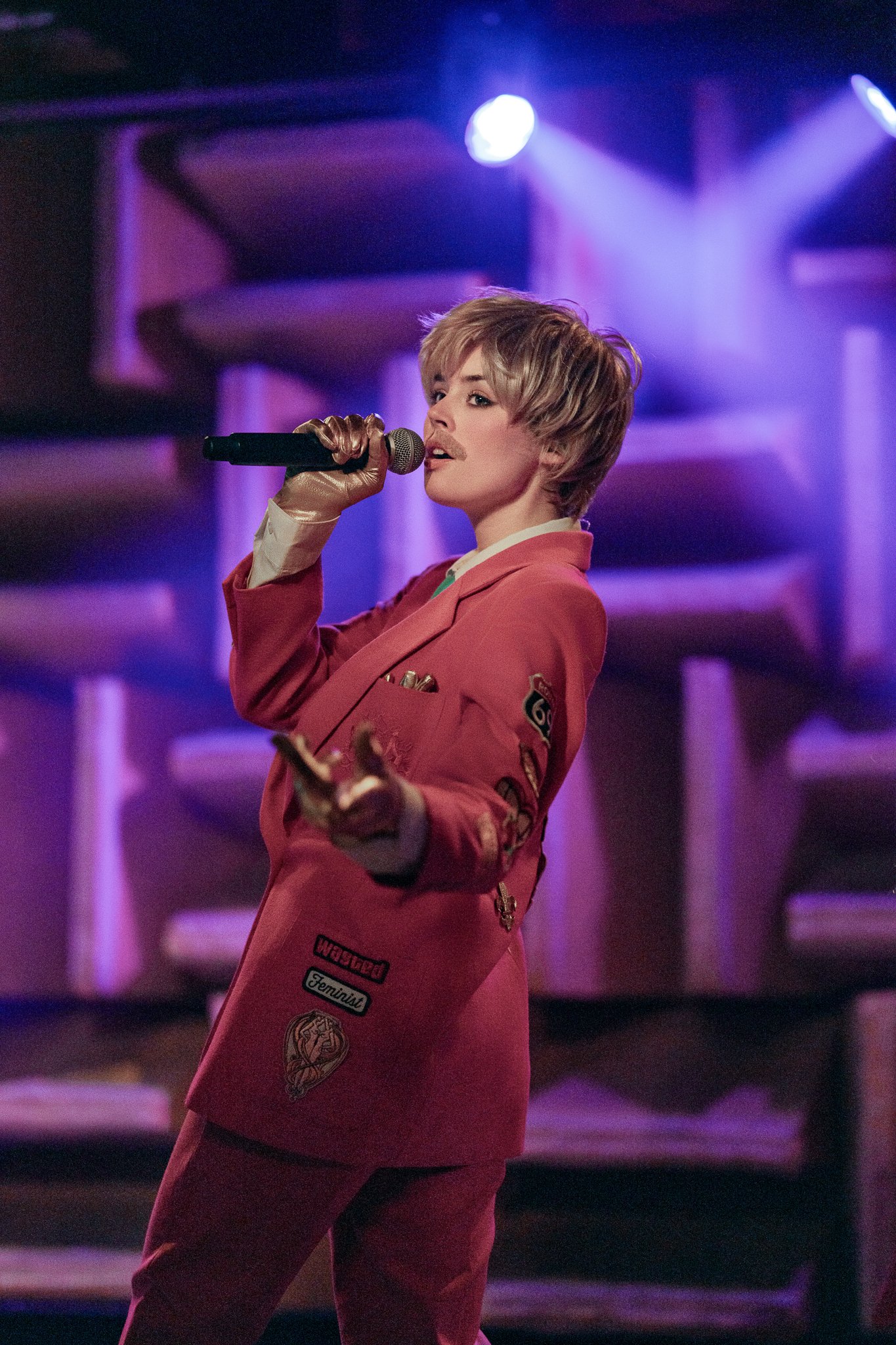
There is a specific, jarring dissonance in watching a creative juggernaut who has built a career on technical grace suddenly commit to the "man-spread." Elise Trouw, the multi-instrumentalist whose career has been defined by the pristine loops of a "one-member-band" virtuoso, has effectively killed her public image, just for the time being though. In its place stands Elon Lust: a mustachioed, flamboyant avatar of the "middle-zone" male ego. Her new conceptual project, “The Diary of Elon Lust,” is a departure that feels less like a new album and more like a perfect union of the times we are living in and an advocacy cry for empowerment. It is sharp, uncomfortable, and brilliantly offensive to the typical male status quo. Before her performance, we sat down and talked about the new album and her thoughts on who Elon Lust is, and how did she create this character.
"I wrote the first song on the album and at that time it was kind of just like a funny joke-ish style song," Trouw says, sitting in the quiet upstairs green room of the venue before the doors open. But the joke has teeth. The album is built on the bones of real-life encounters—direct quotes from the kind of men who inhabit the periphery of every woman’s life. "A lot of the inspiration just came from real-life encounters and direct quotes. A lot of direct quotes," she emphasizes. This isn't just parody; it’s a transcript of the mundane sexism that defines the modern experience.
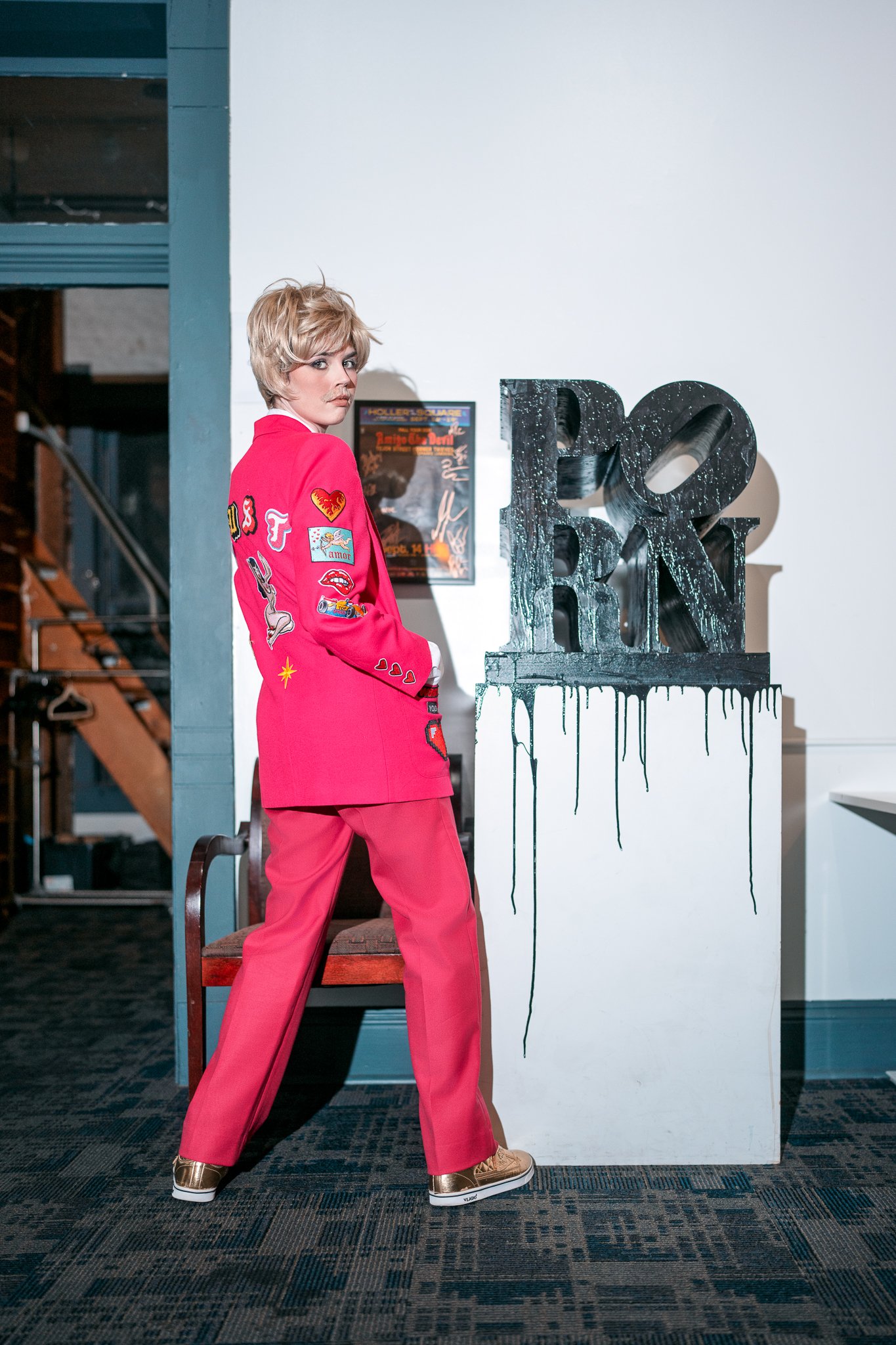
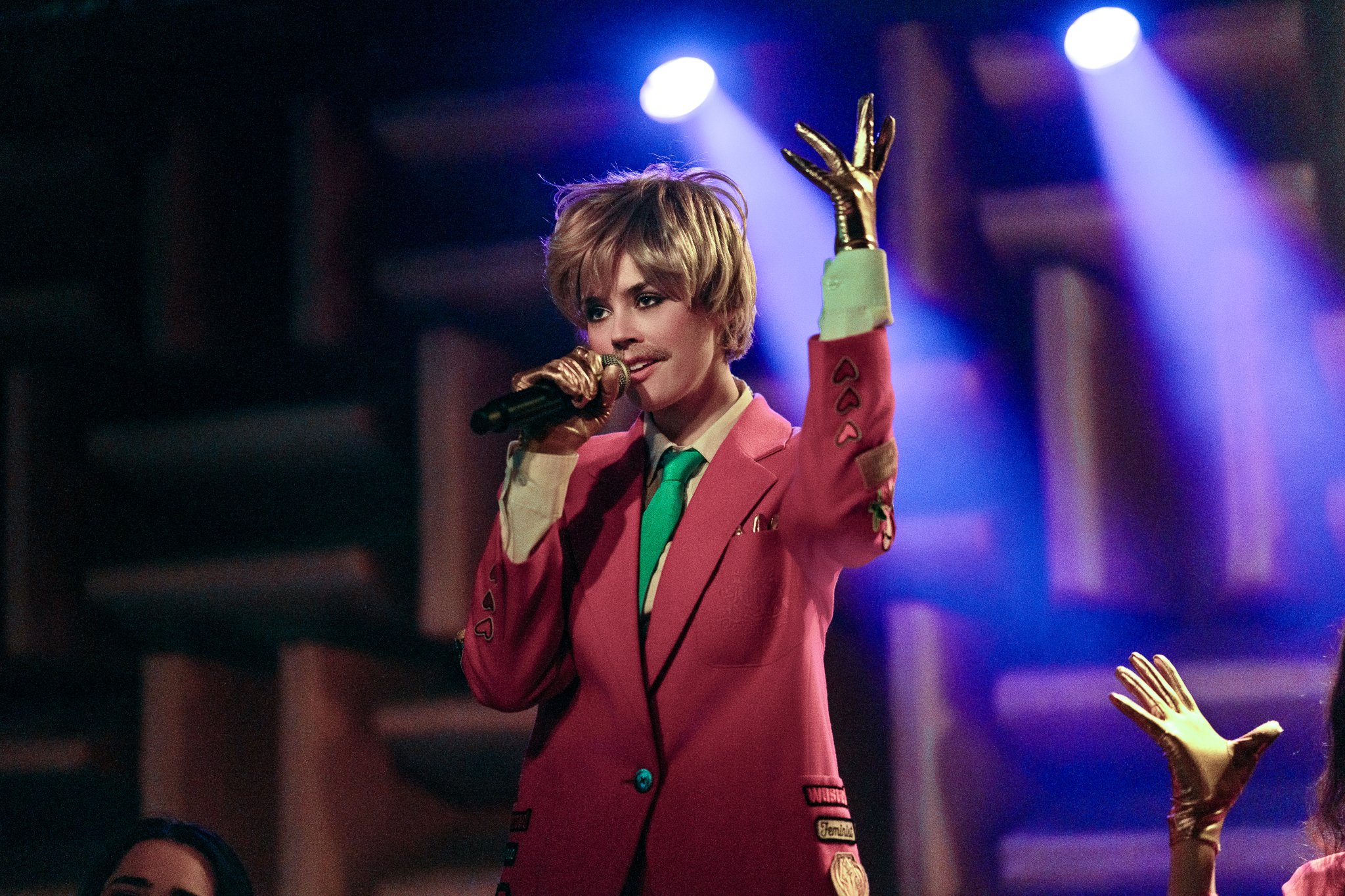
The transformation into Elon wasn't merely a wardrobe change. It required a total recalibration of how Trouw occupies space. "It was difficult for me at first to try and embody the character. Even my body language—I would see videos of me in my full Elon get-up and I was standing with my arms crossed, very feminine, maybe even timid. It looked strange: a guy in a suit with a mustache standing like a lady." To find the correct posture of entitlement, she turned to choreographer Mina Strada. They spent hours dissecting the geometry of the "man-spread." "How does a guy stand? That type of guy—how does he stand? His legs are spread. How far are they spread?" It is a technical approach to arrogance, and watching her embody it is a lesson in the theater of gender.

Elyse Trouw : Credit - FGM
Elyse Trouw : Credit - FGM
If the album's surface is comedic, its core is something much darker. The tracks “I Like My Women (Shaved)” and “Little Blood” play with the absurd, but the final track, “Because You Are Hot,” drops the satirical mask.
"That track has the most seriousness," Trouw says, her voice losing its Elon-inflected bravado. "The other tracks border into comedy, but this one has a darker undertone. The line that is repeated at the end is ‘everybody only wants your body.’ That’s a big message given to women at large in society. I’ve had people say it’s funny, but then it’s pretty sad. I’m riding the line in the middle."
This obsession with the "middle line"—the place where laughter turns into a pit in your stomach—is what makes the project memorable. It’s also what drove Trouw into the director’s chair for the first time. The visual world of Elon Lust wasn't inspired by the polished indie-pop aesthetic, but by the visceral, uncompromising world of retro horror and eye popping visuals.
"I’m a huge fan of Damien Leone, the director for Terrifier," she notes. "I just started directing the music videos for this project... I was dipping my toe in that area." Directing while inhabiting the skin of the subject was a hurdle of art direction in its purest form. "I had to tell my DPs, 'You’re going to have to be a little more than a DP here.' I’d have the vision, but they had to help direct while I was in the suit."
Elyse Trouw : Credit - FGM
There is an inherent risk in what Trouw is doing. She initially considered releasing the project anonymously, fearing that the "Elon" persona would alienate the fans who know her for her looped covers and technical grace. "My online presence is pretty different than this project. But at the end of the day, these are still my stories. This is what I want to say, and I really stand behind the message."
The message isn't an indictment of men so much as an autopsy of a culture. "The funny thing about Elon Lust is that he’s not the worst guy. He’s not technically doing the absolute worst things. It’s that day-to-day casual sexism. At this point, I don’t blame the individual. It’s the bigger culture. It’s built-in through TV, media, everything that tells you to think a certain way."
In Trouw’s world, Elon Lust is universal. "Everybody has a little bit of Elon Lust in them—even women."
Despite the mustache and the man-spreading, the "real" Elise Trouw still flickers through. She is a self-described romantic who uses the star-eyed emoji (🤩) to represent "finding joy in the little things," like gluten-free pancakes. It is a clumsy, beautiful coexistence: the woman who sees the world through a lens of joy, and the artist who isn't afraid to put on a suit and mock the darkness.
This duality is why checking out this album is a must. As she prepared to take the stage—Elise appearing only as a "guest" in Elon’s show—I ask her for one piece of advice for parents trying to raise daughters in this specific, "crazy" world. She doesn't hesitate. The irony is gone. "Maybe listen to your kids. Just be there. Listen to them."
It’s a simple conclusion to a complex weekend, Elise Trouw’s Elon Lust is a spectacle. It is a reminder that the most memorable stories aren't the ones that make us comfortable—they’re the ones that make us take a second look.

Elyse Trouw : Credit - FGM
Elyse Trouw : Credit - FGM
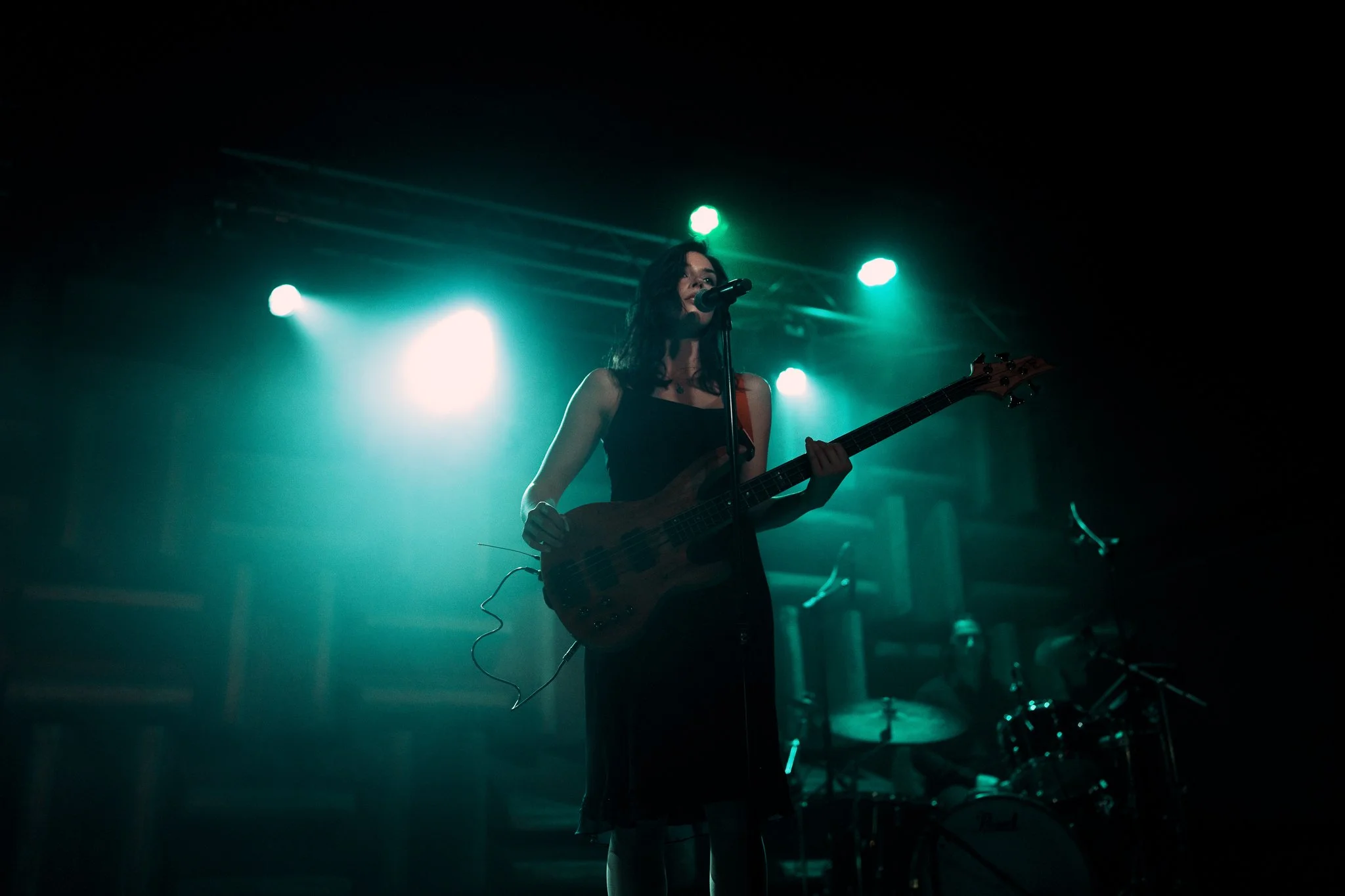
After her performance I spoke to my wife (the second and more intelligent one here at FGM) and told her about the Lust Hi-Fi takeover. Elise Trouw delivered a clinical deconstruction of the male ego through her abrasive alter ego, Elon Lust. Supported by two precision-heavy dancers and a powerhouse band, the performance turned the dry venue into a dense, satirical theater of masculine entitlement. Every choreographed "man-spread" and biting lyric served as a sharp rebuke to casual sexism, anchored by Trouw’s mastery of the uncomfortable. It was a masterclass in high-concept art direction where technical musicality and subversive storytelling collided with brutal efficiency.